Imagine a world map centuries ago – before modern borders, before the global powers we know today. Stretching across Eurasia, shimmering in gold letters, was a name now nearly forgotten: Tartaria. It wasn’t just a region – it was an empire so vast, so developed, and so mysteriously erased from memory that many researchers today call it the greatest cover-up in human history. The theory of Tartaria isn’t just about lost geography; it’s about lost greatness – an advanced global civilization hidden in plain sight, its ruins scattered across our modern cities.
Walk through any old district in Paris, St. Petersburg, Chicago, or Istanbul, and you may find clues to Tartaria’s lingering spirit. The grand domes, the ornate spires, and the seemingly impossible architecture of the 18th and 19th centuries – these aren’t the sloppy beginnings of industrial design, believers argue, but the hand prints of an empire that understood energy, resonance, and beauty far beyond our textbooks. Why do so many “modern” cities share the same architectural signatures, even before global communication existed? Tartarian researchers say it’s simple: they came from the same source – a civilization that once spanned continents.
Perhaps the most fascinating piece of the Tartarian puzzle is the mud flood theory. According to this idea, sometime in the 1800s, a cataclysm struck – burying entire cities in a deluge of mud and debris. The strange sight of buildings with half-buried windows and doors at street level, which historians explain away as “basements” or sloping foundations, might actually be the top floors of once-great Tartarian cities. Imagine walking unknowingly over the rooftops of history’s greatest architectural marvels – lost not through time, but through deliberate silence.
And then there’s the question of power – free energy. For Tartaria enthusiasts, the empire’s domes and spires weren’t just decoration; they were conductors, antennas channeling natural energy from the atmosphere. Star forts – those massive, geometric military structures that dot the world from Italy to India – weren’t merely defensive strongholds but intricate energy grids designed to gather, store, and distribute power. If true, these technologies could have given Tartaria self-sustaining cities long before oil and electricity reshaped our world.
But what happened to Tartaria? How does a civilization of that magnitude simply vanish? Researchers suggest a historical reset during the 19th century – a rewriting of reality disguised as the march of progress. Old maps labeled “Great Tartary” disappeared. School systems standardized new timelines. Exhibitions and world fairs in cities like Chicago and Paris, once glorified as celebrations of modernity, might have been smokescreens to display – and then dismantle – Tartarian technology before burying its memory for good. The world, it seems, was meticulously rebranded.
Tartaria’s mystery endures because it challenges the very core of what we think we know about human progress. To its believers, it stands as proof that we’ve lived through cycles of greatness, that the ancients may have grasped truths about energy, architecture, and unity that our modern age has only begun to rediscover. The ruins whisper, the spires reach skyward, and the traces remain hidden in plain sight. The real question isn’t whether Tartaria existed – it’s why someone worked so hard to make us forget it.
YouTube channels discussing Tartaria for further exploration:

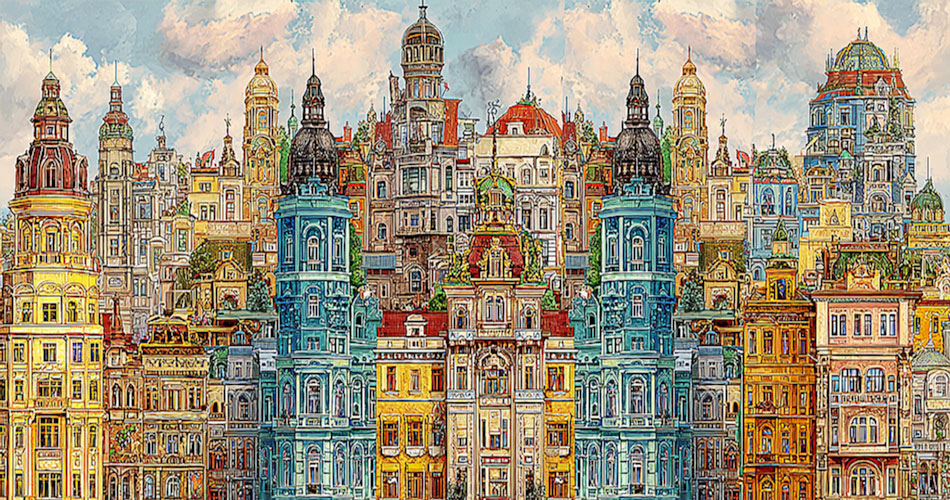 Imagine a world map centuries ago – before modern borders, before the global powers we know today. Stretching across Eurasia, shimmering in gold letters, was a name now nearly forgotten: Tartaria. It wasn’t just a region – it was an empire so vast, so developed, and so mysteriously erased from memory that many researchers today call it the greatest cover-up in human history. The theory of Tartaria isn’t just about lost geography; it’s about lost greatness – an advanced global civilization hidden in plain sight, its ruins scattered across our modern cities.
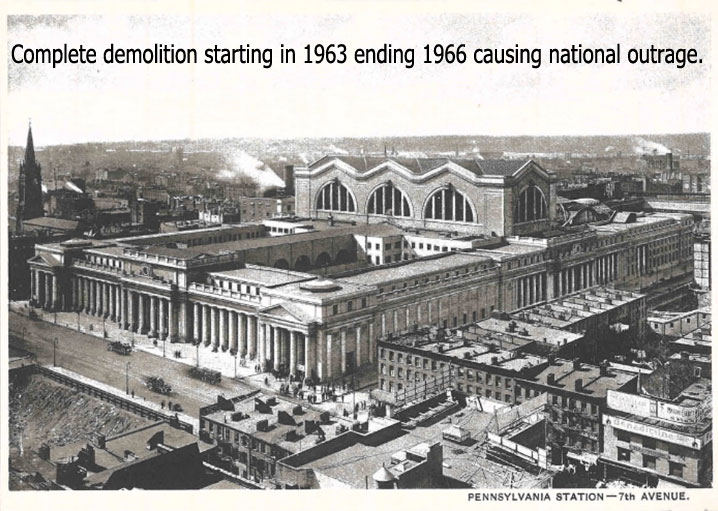 Tartaria’s mystery endures because it challenges the very core of what we think we know about human progress. To its believers, it stands as proof that we’ve lived through cycles of greatness, that the ancients may have grasped truths about energy, architecture, and unity that our modern age has only begun to rediscover. The ruins whisper, the spires reach skyward, and the traces remain hidden in plain sight. The real question isn’t whether Tartaria existed – it’s why someone worked so hard to make us forget it.